
Content Marketing for Software Companies
The No-Fluff Playbook
12/4/20255 min read

How to Turn “Good Content” Into a Real Pipeline
If you build software, you’ve probably felt this: it’s hard to stand out. Everyone says they’re “innovative” or “easy to use.” Buyers have heard it all before.
That’s where content marketing earns its keep. Done right, it helps people see your value before they ever talk to sales. It builds trust, drives the right traffic, and turns interest into pipeline, not just pageviews.
Here’s how to make content actually work for your software company, without overcomplicating it.
What “content marketing” really means
It’s not just writing blog posts or filming videos. Content marketing means creating and sharing useful stuff, blogs, ebooks, tutorials, webinars, or even quick posts on LinkedIn that help your ideal customer solve a problem, learn something, or make a decision.
When it’s done well, your content doesn’t just educate people; it earns their trust and makes them want to learn more about your product.
Why does it matter so much in SaaS
The software market is crowded. Buyers are skeptical. And ads alone aren’t enough to convince anyone anymore.
Content helps you:
Prove you know your stuff. Thoughtful, relevant content builds credibility fast.
Attract and convert leads organically. A good blog post or guide can bring in qualified leads for months.
Show (not tell) your value. Tutorials, case studies, and demos let your product sell itself.
Keep customers happy. Content that helps people get more out of your software leads to higher retention and referrals.
How to build a content strategy that actually works
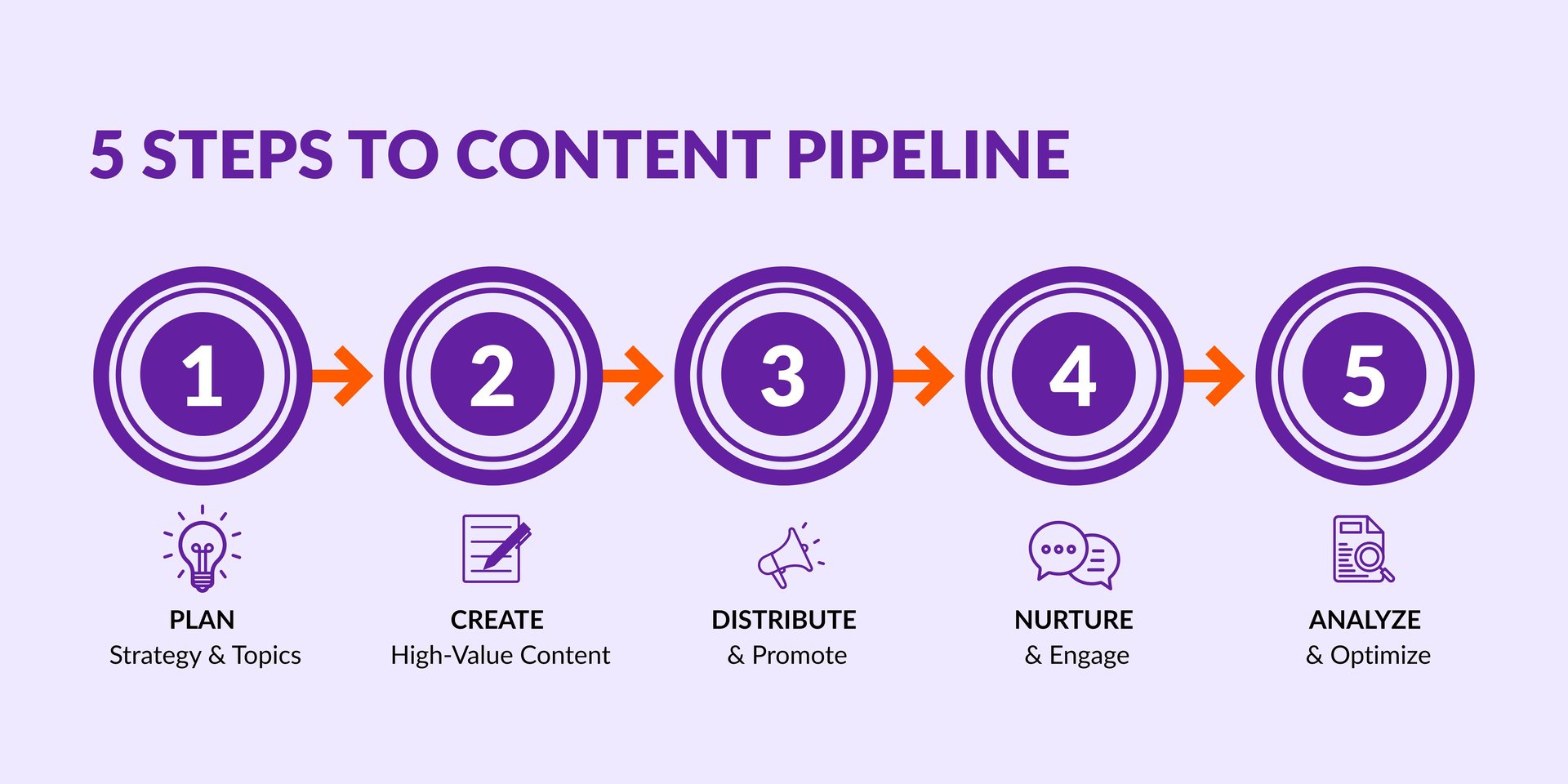
You don’t need a 50-page strategy doc. You just need clarity in five areas.
1️⃣ Start with goals that tie to revenue
Skip the vanity metrics. Focus on results you can measure, like:
25% more inbound demos
15% more organic signups
Higher retention from better onboarding content
If a piece of content doesn’t ladder up to pipeline, it’s probably not worth your time.
2️⃣ Know who you’re creating for
Talk to your customers. Look at your CRM data. Read what people say on Reddit or LinkedIn about your space.
Then, build a few simple personas, not 10-slide profiles, but quick notes like:
“Ops Manager, mid-market SaaS. Drowning in manual reports. Needs better visibility, faster.”
Once you know their problems, you’ll know what to create.
4️⃣ Pick formats that fit your audience
Different stages, different content.
Early-stage: Blog posts, infographics, checklists
Mid-stage: Webinars, comparison guides, templates
Late-stage: Case studies, demos, testimonials
Not everyone wants to read, mix in video, visuals, and stories.
3️⃣ Choose keywords people actually use
Don’t chase broad, impossible terms like “best software platform.” Go after long-tail, specific searches that match real buying intent, like “automate SOC 2 reports” or “best project tracking tool for remote teams.”
Those searches are easier to rank for and closer to purchase.
5️⃣ Have a plan to get eyes on it
Even the best content won’t do much if no one sees it. So decide up front:
Where will you share it? (LinkedIn, newsletter, YouTube?)
How will sales use it? (Email sequences, follow-ups?)
Can you repurpose it? (Turn a guide into 5 short clips or a checklist?)
Create content people actually want to finish
Lead with their pain, not your product. Speak to what they’re feeling, not what you’re selling.
Keep it simple. You can sound smart without sounding complicated.
Tell stories. Share real examples, how a customer solved a tough challenge with your help.
Be human. Write like you talk. Nobody wants to read robot copy.
End with one clear next step. Don’t leave readers hanging, show them what to do next.
Where AI automations fit into your content engine
Let’s be real, content marketing takes time. Between planning, writing, editing, posting, and tracking performance, it can feel like a second full-time job.
That’s where AI automations can save you hours every week, without losing your human touch.
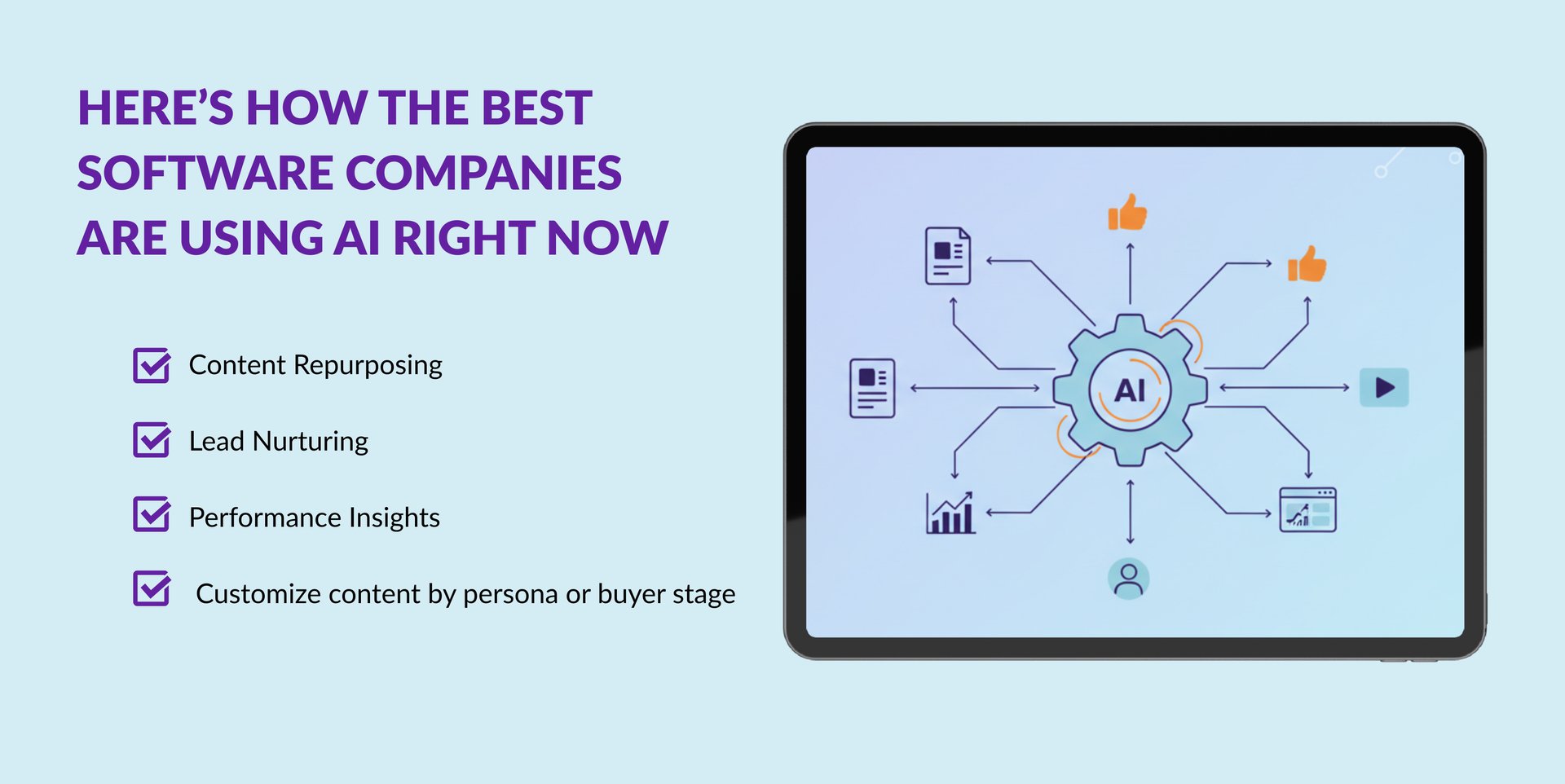
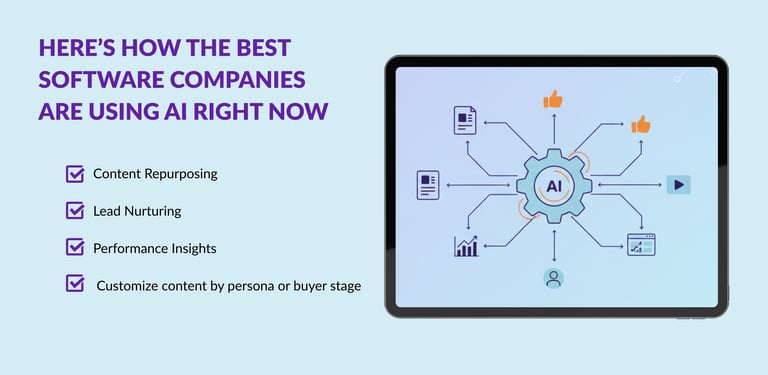
Here’s how the best software companies are using AI right now:
Content repurposing: Automatically turn long-form posts into social snippets, email teasers, or video scripts.
Lead nurturing: AI-powered workflows that send the right follow-up content at the right time, based on what someone actually engaged with.
Performance insights: Use AI to spot which topics, keywords, or formats are driving pipeline, so you double down on what works instead of guessing.
Personalization at scale: Automatically tailor content or offers to specific personas or stages in the buyer’s journey.
The key is automation with strategy, not letting AI run wild, but wiring it into your marketing and sales ops so it amplifies your human team’s efforts.
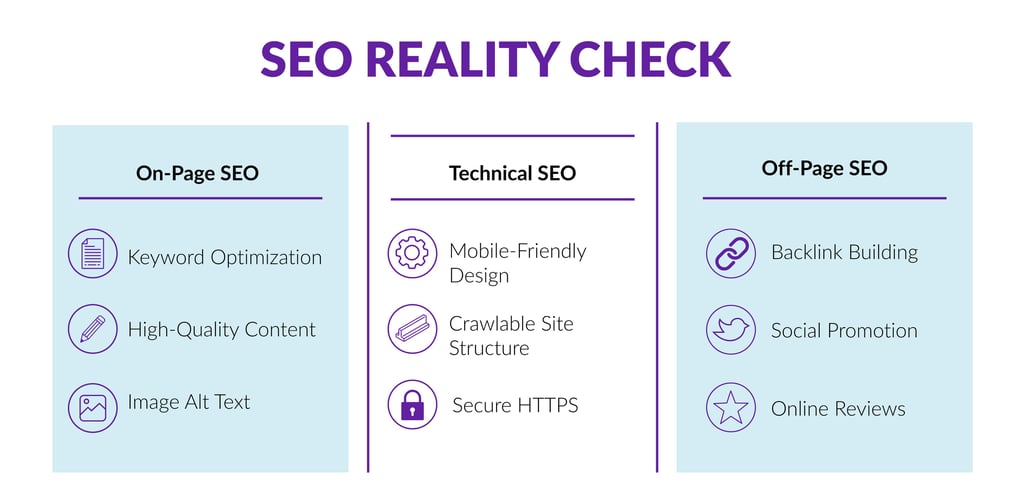
SEO still matters, but it’s about quality, not keyword stuffing.
Here’s the short version:
Use one clear keyword per piece.
Write for people first, Google second.
Keep your site fast and mobile-friendly.
Earn backlinks naturally through genuinely helpful content.
Track what ranks and what converts.
The missing link:
Turning content into pipeline
Most software companies stop at “publish.” That’s where content marketing dies.
The real magic happens when you connect it to your sales process:
Set up attribution that shows which content drives SQLs.
Align your CTAs to each stage, e.g., a free checklist for awareness, a demo for decision.
Build nurture sequences based on what someone engaged with.
Repurpose winning assets across every channel and campaign.
Content isn’t a marketing tactic, it’s a revenue engine when your GTM systems are wired right.
How to keep it simple
You don’t need a massive team or budget. Here’s a rhythm you can actually stick to:
Weekly: one new blog post, one short video, one customer quote or mini case study
Monthly: one deeper guide, template, or webinar
Quarterly: one big anchor piece, a report, data study, or detailed success story
Keep it consistent, track what converts, and improve as you go.
What to watch (and when to pivot)
Measure two things:
Engagement: traffic, time on page, newsletter signups
Pipeline: MQLs, SQLs, opportunities, revenue
If something gets traffic but no conversions, don’t scrap it. Fix the next step (the offer, the CTA, the email follow-up).
Where Forsify fits in
At Forsify, we help B2B and SaaS teams turn content into predictable growth.
We don’t just help you “do content”, we connect it to your revenue strategy, GTM operations, and pipeline generation system so you can scale without adding more headcount.
If you’re serious about building a content engine that drives real revenue, start with this:
👉 Predictable Growth Without the Overhead
It’s a free blueprint showing exactly how to build a repeatable, content-powered pipeline, step by step
Bottom line:
Good content makes people care. Great content makes them buy.
Start small, stay consistent, measure what matters, and let’s turn your content into a growth system.
Anna Stepura
Founder
Forsify.com
Let’s connect on LinkedIn
Frequently asked questions
1. What exactly does Forsify do?
Forsify operates as an AI-powered marketing department that designs, builds, and runs growth systems end to end.
We engineer:
Market positioning and messaging
Authority and demand creation
Outbound, inbound, and nurturing systems
Continuous experimentation and optimization
Our goal is not “more leads” it’s predictable, scalable growth.
2. How is this different from a marketing agency?
Agencies execute tasks. Forsify creates and runs growth engines.
With Forsify, you get:
Growth architecture, not isolated campaigns
AI-driven execution across content, outreach, and nurturing
Continuous testing, iteration, and learning
One integrated system instead of disconnected tools and vendors
We function like a senior in-house marketing team, without the overhead.
3. What problems does Forsify solve?
Forsify solves structural growth problems, including:
Inconsistent demand and revenue volatility
High CAC from paid channels alone
Fragmented marketing tools and teams
Lack of ownership over growth strategy and execution
We replace guesswork with a repeatable, data-driven growth engine.
4. Who is this best suited for?
Forsify works best for:
B2B companies and startups with complex sales cycles
Teams selling high-ACV products or services
Founders who need growth without building a large internal team
If growth is strategic to your business, not an experiment, this is a fit.
5. What does the AI Marketing Department include?
Depending on your configuration, it may include:
Positioning, ICP, and messaging engineering
Authority-building content and thought leadership
Automated outbound and demand capture
Lead nurturing and conversion systems
Analytics, reporting, and optimization loops
All components are designed to work together as one system.
6. How long does it take to see results?
Growth is engineered in phases:
Setup Sprint:
Strategy, infrastructure, ICP, workflows, content, and channel warm-upExecution Phase:
The system goes live, compounds over time, and improves through testing
Meaningful traction typically appears within 20–40 days, with compounding results over time.
7. Is Forsify replacing our internal marketing team?
Not necessarily.
Forsify can:
Act as your entire marketing department, or
Work alongside internal teams to design and run growth engines
We integrate into your existing structure rather than compete with it.
8. How much involvement is required from our team?
Minimal executive involvement.
You’ll be involved in:
Strategic alignment and approvals
Monthly reviews and optimization decisions
Day-to-day execution is handled by Forsify and AI-powered systems
9. Do you only focus on outbound and pipelines?
No.
Pipeline creation is one outcome, not the product.
Forsify focuses on:
Demand creation
Brand authority
Conversion optimization
Long-term growth infrastructure
Pipelines improve because the system works, not because we push volume.
10. How do you measure success?
Success is measured by:
Growth in qualified demand
Conversion rates across the funnel
Cost efficiency versus internal teams
Strategic impact on revenue
KPIs are defined upfront based on your business model.
Forsify
Transform Your Business with AI.
149 New Montgomery st., San Francisco, CA
info@forsify.com
© 2026. All rights reserved.